 Tobin Aldren
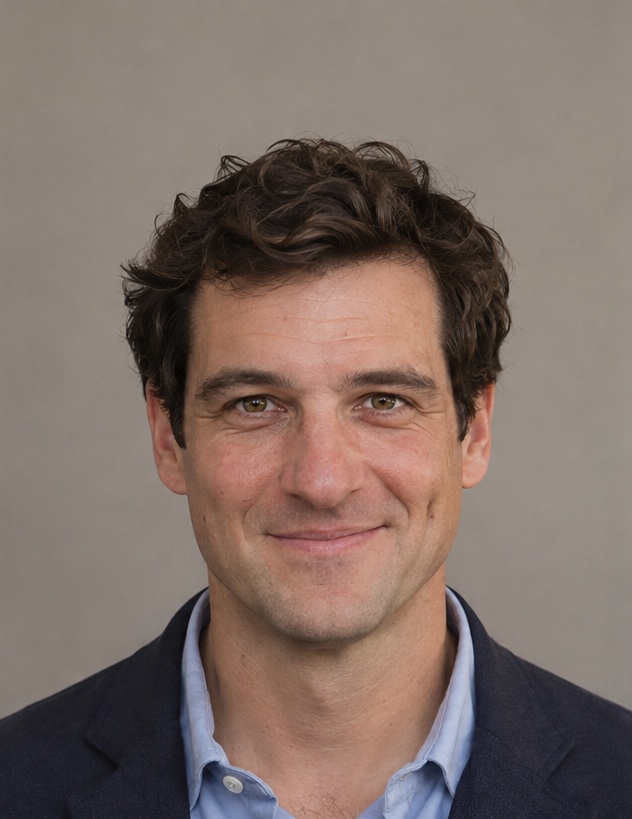
How I got started.
I was born in the late 1980s and spent school breaks helping out at my family’s manufacturing business. When a machine stopped, I wanted to know why. Whoever had promised the customer a Thursday delivery wanted to know how much time we’d lost. These days I ask both questions.
Why a repair firm bought another monitor
After my MSc in computer engineering, a maintenance engineer and I started building monitors for production lines. Ours kept a record of what happened in the moments before a line stopped. I liked how much we could measure. The repair firm bought it because its technician could turn up with the right tools. When they asked for another monitor for another plant, I finally understood what we were selling.
I earned my MBA part-time while we ran that business. To keep growing, we needed service people close to our customers. A distributor that already had those people offered to buy the company. My partner and I could have spent years building the same network. We chose to sell.
The contract that cost us a customer
Working with distributors, I kept seeing salespeople promise dates their warehouses couldn’t meet. That gave me the idea for a software business. We built a shared order book so both teams could see which deliveries were slipping. Our customers renewed because they could call a buyer while there was still time to offer an alternative.
Then a big prospect wanted its own version. I signed the contract and put our best engineers on it. The installation ran late, and fixes we’d promised everyone else took even longer. When a long-standing customer left, I went to see the operations manager. She opened the spreadsheet her staff had gone back to using. I’d noticed they’d stopped filing support tickets. Until that visit, I thought that was good news.
I returned part of the fee and wound down the custom release. I also gave our product lead the final say on custom work, including deals I brought in myself. By the time a software group bought us, we had one product we could support and a team that could run it without me. I was proud to sell a business that didn’t need its founder in every meeting.
What I took with me after the sale
I stayed with the buyer to lead an international product team. One customer wanted its branches to pool orders without revealing what each branch paid its suppliers. We let the branches share quantities, keep their terms private and see who had opened them. I learned exactly what security was worth on that deal. If the branches couldn’t choose what to share, nobody was going to buy.
Today I’m building software that helps purchasing teams catch changes in a supplier’s revised offer. AI can flag a shorter warranty and show the buyer the passage it found. The buyer knows whether it’s worth a phone call. I ask teams to try it on one purchasing category before they commit. I still like the second order better than the first.